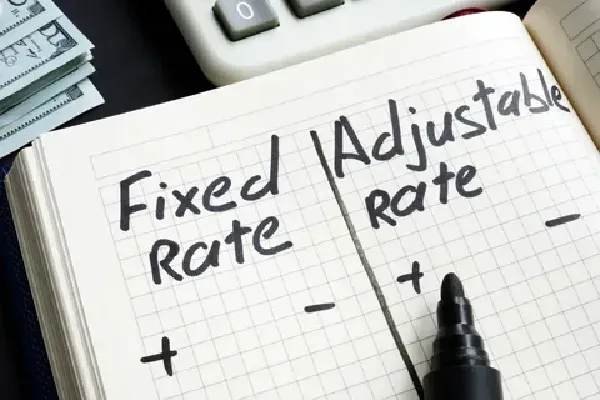
Refinance Options - Fixed Rate vs. Adjustable Rate Mortgages
Refinance Options - Fixed Rate vs. Adjustable Rate Mortgages

When to Refinance Your Mortgage to a Fixed-Rate Loan
The ideal time to refinance to a fixed-rate loan is when interest rates are at an all-time low. To take advantage of this, you should closely monitor the market and keep track of financial trends and statements from economic leaders. Interest rate changes are usually preceded by significant discussions and analysis based on the state of the economy. Staying informed will help you time your refinance optimally.
Refinancing to a fixed rate is also beneficial if you plan on living in your home for the life of the loan. While many people move within 5-7 years, those who stay put benefit from the stability of consistent payments. This predictability simplifies financial planning by ensuring your monthly expenses remain constant. If this stability appeals to you, a fixed-rate mortgage is likely your best option.
Moreover, if the fluctuations of an adjustable-rate mortgage (ARM) keep you up at night, it's worth contacting a mortgage broker to start the refinancing process immediately. Reducing stress over your mortgage payments is invaluable.
When to Consider an Adjustable-Rate Mortgage (ARM)
An ARM might be a suitable choice in the following scenarios:
Qualification Issues: If you don't qualify for a fixed-rate mortgage due to credit history, debt-to-income ratio, or insufficient income, an ARM can be a way to secure a loan. Later, you can refinance to a fixed rate if the ARM becomes a source of anxiety.
Debt Consolidation: If refinancing to an ARM will significantly lower your monthly payments compared to your current mortgage and high-interest debts, it could improve your cash flow. Using home equity to pay off high-interest consumer debt can provide much-needed financial relief.
Short-Term Plans: If you don't plan on staying in your home for more than 5-7 years, an ARM can save you money. Paying a higher fixed rate for a long-term mortgage may not make sense if you intend to move or refinance soon.
Anticipated Income Increases: If you expect your income to rise due to promotions or regular raises, an ARM might be a strategic choice. Knowing your future earnings can help you manage potential payment adjustments.
Comfort with Payment Adjustments: If you're comfortable with moderate changes in your mortgage payment and have a stable, generous income, an ARM might be a viable option.
Ultimately, the decision between a fixed-rate mortgage and an ARM depends on your risk tolerance. If you need the certainty of a consistent monthly payment, a long-term fixed-rate mortgage is best. If you can handle some calculated risks and potential payment variations, an ARM could offer savings and flexibility.
When considering refinancing options, weigh your financial goals, future plans, and comfort level with potential changes. Making an informed decision can lead to significant savings and financial peace of mind.


